

Outdoor crews work in whatever the sky hands them, and that makes weather one of the biggest variables in jobsite safety. Heat, cold, wind, rain, and lightning each bring their own risks, and none of them wait for a convenient time to show up. A crew that plans for the forecast works safer and loses less time than one that reacts after conditions turn. This guide covers how to build weather into your safety planning so your people and your equipment come through the day in one piece.
Start With the Forecast, Not the Sunrise
Good weather planning starts before anyone clocks in. Check the forecast the night before and again in the morning, and look past the headline temperature. Wind speed, humidity, chance of storms, and the timing of any front all matter for how you run the day.
Build a simple habit of a morning weather check into your toolbox talk. Tell the crew what is coming, when it is expected, and what the plan is if conditions change. A crew that knows a storm is due at two in the afternoon works differently than one caught off guard.
Planning for Heat
Heat is one of the most common hazards for outdoor work, and it builds slowly, which is part of the danger. Workers push through the early warning signs and end up in trouble.
Hydration & Breaks
Water needs to be on site and easy to reach, and breaks in shade should be scheduled rather than left to chance. On hot days, shorter and more frequent breaks beat one long lunch. Watch for cramps, dizziness, and heavy sweating that suddenly stops, since those point to heat illness that needs attention right away.
Timing the Work
When the forecast calls for high heat, shift the hardest labor to the morning. Save lighter tasks for the afternoon when the sun is at its worst. Rotating crews through demanding jobs also spreads the load so no single person works in the heat all day.
Planning for Cold
Cold brings its own set of problems. Fingers go numb, footing gets slick, and reaction time drops. Layered clothing, dry gloves, and warm break areas keep a crew working safely when temperatures fall.
Ice is the quiet hazard on cold jobsites. Walkways, ladders, and scaffolding all get slick, and a slip on frozen ground sends people to the hospital every winter. Salt or sand the paths your crew uses most and clear standing water before it freezes overnight.
Planning for Wind
Wind gets less attention than heat or cold, and that is a mistake. It knocks over signs, lifts loose material, and turns a routine lift into a dangerous one.
Securing Loose Items
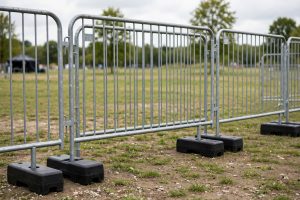
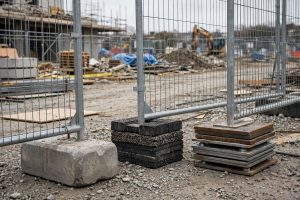
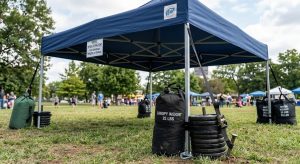
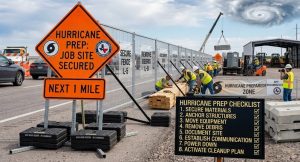
Before wind picks up, walk the site and lock down anything that can move. Plywood, insulation, tarps, and empty barrels all become projectiles in a strong gust. Signs and barricades need weight at the base so they stay upright instead of tipping into traffic or across a walkway.
Crane & Lift Limits
Every crane has a wind rating, and lifts should stop when gusts pass that limit. The same goes for aerial lifts and any work at height. A load that swings in the wind puts everyone below it at risk, so call the lift early rather than pushing your luck.
Planning for Rain & Storms
Rain changes a jobsite fast. Ground turns to mud, trenches fill, and electrical work gets dangerous. Grade the site so water drains away from work areas, and stop any task that mixes water and electricity until things dry out.
Lightning has a simple rule: when you hear thunder, get inside. The common guidance is to move to a safe building or vehicle and wait thirty minutes after the last thunder before heading back out. There is no lift, pour, or deadline worth standing in an open field during a lightning storm.
Flash flooding is the other storm risk, especially for crews working in low spots, trenches, or near drainage. Know the escape route out of any low area before the rain starts.
Building Weather Into Your Safety Plan
A weather plan works best when it is written down and known by everyone, not carried around in one supervisor’s head. Spell out the trigger points: the wind speed that stops a lift, the heat index that moves the crew to shorter breaks, and the point at which work pauses for lightning.
Assign someone to watch conditions during the day so the crew stays focused on the work. Radios or a group text keep everyone in the loop when a change is coming. And keep the gear on hand that the forecast calls for, from water and shade tents to weights, salt, and rain cover.
Keeping Equipment Secure Through Rough Weather
Weather planning covers people first, and it also covers the gear that keeps a site safe. Signs, barricades, fencing, and temporary structures all rely on staying put, and rough weather is exactly when they tend to move.
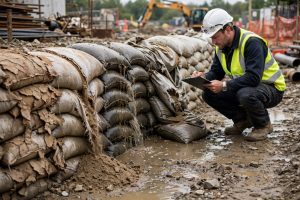
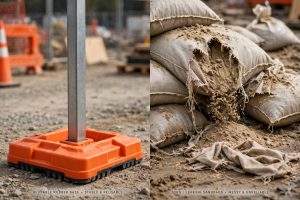
Wind and water are hard on anything held down by sandbags, which soak through, tear, and lose their grip when you need them most. Solid weights that lock onto a base and shrug off water hold far better through a storm. Securing your signs and barricades the same way you protect your crew means you come back to a site that is still set up right, not one scattered across the road.
Final Thoughts
Weather is going to do what it does, and outdoor crews cannot change that. What they can change is how ready they are. Watch the forecast, plan for heat, cold, wind, and storms, write the triggers down, and keep both your people and your equipment secured. Strong jobsite safety planning turns a rough weather day from a crisis into a manageable part of the work.