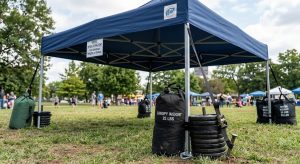

For years the default tent weight was a sandbag, and plenty of vendors still reach for one out of habit. The trouble is that sandbags tear, leak, soak up water, and come out of the trailer moldy in the spring, which sends a lot of event crews looking for a tent weights alternative to sandbags that holds up better across a season. There is no single replacement that fits every setup, so it helps to know what the options are and where each one fits.
Why Vendors Move Away From Sandbags
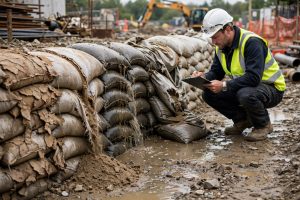
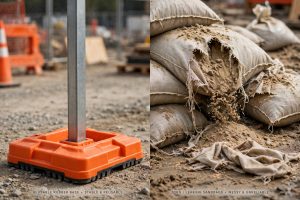
Sandbags are inexpensive and available anywhere, which is the entire reason they lasted this long. The cost shows up later. The fabric wears through when it is dragged across asphalt, and once it opens the sand starts leaving. A bag that held its weight in April is lighter by midsummer, and nobody weighs it to find out. Rain soaks the fabric, wet bags rot, and bags stored damp in a trailer grow mold over the off-season.
There is also the look of them. A row of split, stained bags around a client’s tent is not the impression most rental companies want to leave, and event work happens in front of the customer. Between the failures and the appearance, vendors start asking what else is out there.
Molded Rubber Weights
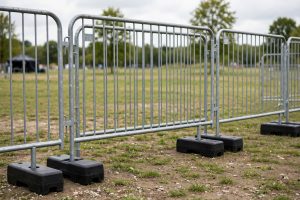
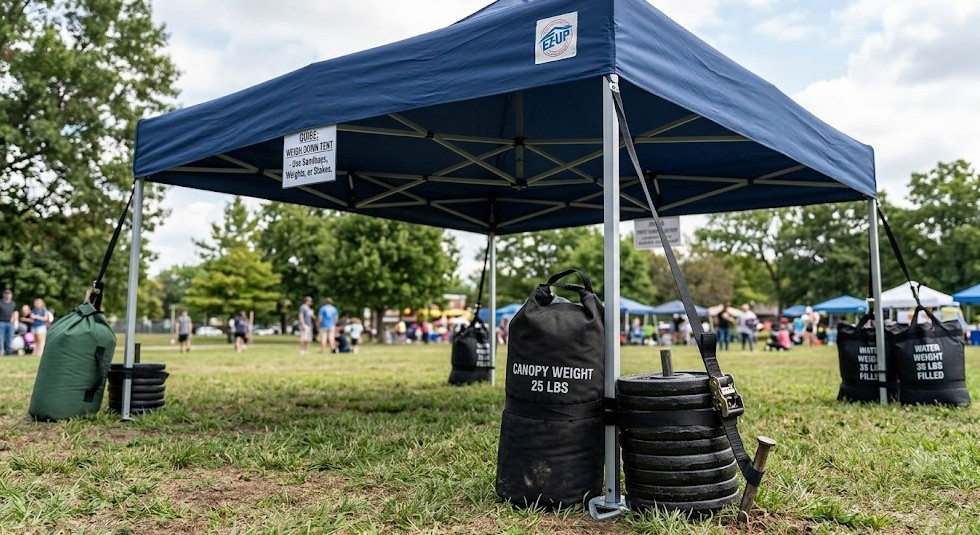
Solid rubber weights have become the common replacement, and for good reasons. A molded rubber weight holds the same mass for years because there is nothing inside it to leak. It does not absorb water, so it will not float or rot, and it comes out of storage the same as it went in. Many are built to stack, which saves room on the trailer and lets a crew build up the weight on a leg when the wind calls for it.
The upfront cost is higher than a sandbag, and the weights are heavier to ship since they travel at full weight rather than being filled on site. For a vendor running events every weekend, the reusable part usually wins out, because the same weights come back load after load instead of being bought again.
Steel Plate Weights
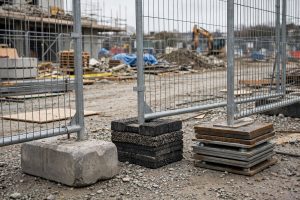
Steel plate weights slide over a leg or stack on a base plate, and they are popular with vendors who want a low profile. Steel is dense, so a plate holds a lot of weight in a small footprint, and it does not degrade outdoors the way fabric does.
The tradeoffs are handling and rust. Bare steel plates are hard on hands and floors, and cheaper ones rust once the coating chips. They also cost more than most other options. For a vendor who values a tidy look and does not mind the price, they have a place.
Water Weights & Barrels
Water-fillable weights and barrels fill on site and empty before transport, which solves the shipping problem that solid weights have. A crew hauls them empty and fills them from a hose when the tent goes up.
The catch is that water is not as dense as sand, rubber, or steel, so it takes a lot of volume to reach a useful weight. Water weights also freeze in cold conditions and can leak at the seams, and a barrel that tips spills its ballast entirely. They fit warm-weather events where filling and dumping on site is practical.
PVC & Concrete Weights
Some vendors build their own from a length of PVC pipe filled with concrete, capped at both ends, with a handle for carrying. These cost very little to make and hold their weight indefinitely, since concrete does not leak or rot.
The downsides are the ones concrete always brings. The weights are hard on finished surfaces, they chip when dropped, and a chipped edge near a crowd is loose debris. Homemade weights also vary from one to the next, so a crew does not always know what each one holds. They work for a vendor willing to build and maintain them.
Exercise Weights & Improvised Options
A few vendors reach for whatever is already heavy and on hand, from bagged gym plates to bucket weights to whatever fills a milk crate. These work in a pinch for a small setup on a calm day, and they cost nothing when the gear is already sitting in the shop.
The problem is that improvised weights are hard to attach to a leg, hard to know the weight of, and easy to trip over, and they rarely look like anything a client wants to see around a tent. They are worth knowing about as a stopgap, and they are not a system to build an operation on. A vendor doing this regularly is usually better served by a purpose-built weight that connects to the leg and carries a known number.
Choosing a Tent Weights Alternative to Sandbags
No single option is right for every vendor, so the choice comes down to how the weights get used. A crew that loads in and out every weekend values weights that come back reusable and stack for transport. A vendor working on client property values weights that do not mark a finished floor or look shabby around a nice tent. An operation that ships weights long distances values something that travels empty and fills on site.
The one thing every option has to do is hold a known amount and stay connected to the leg. A weight that is heavy but sits loose beside a leg does nothing when a gust lifts the frame, which is the same failure that sends sandbags across a parking lot. Ballast has to be tied or fitted to the leg, and it has to still weigh what it did when it was bought.
Matching the Weight to the Event
The frame and the rules set the target, and the option you pick has to reach it. Tent manufacturers publish ballast requirements for their frames, and venues and permits often add their own minimums on top. Those numbers govern, not a habit carried over from sandbag days.
Once the target is set, pick the option that fits how your crew works, then confirm every leg is weighted and connected before the wind arrives. Regardless of what is holding the tent down, take it down when conditions turn, because no ballast makes a canopy safe in a storm. The right alternative to sandbags makes the setup easier and more reliable, and it does not replace the judgment to call an event when the weather says to.