

Construction sites depend on temporary equipment that has to remain stable through changing weather, repeated handling, and demanding work conditions. Sandbags have traditionally been the go-to solution for securing road signs, barricades, temporary fencing, and other equipment. But when the same weights are used repeatedly, the question becomes more important: how long will they actually last?
The answer depends on more than the initial purchase price. Material durability, moisture, UV exposure, handling, storage, replacement frequency, and the number of projects a weight can support all affect its real value. For contractors looking for a reusable alternative, The Stand Box TX offers a purpose-built 30-pound recycled-rubber weighting solution designed for repeated job-site use.
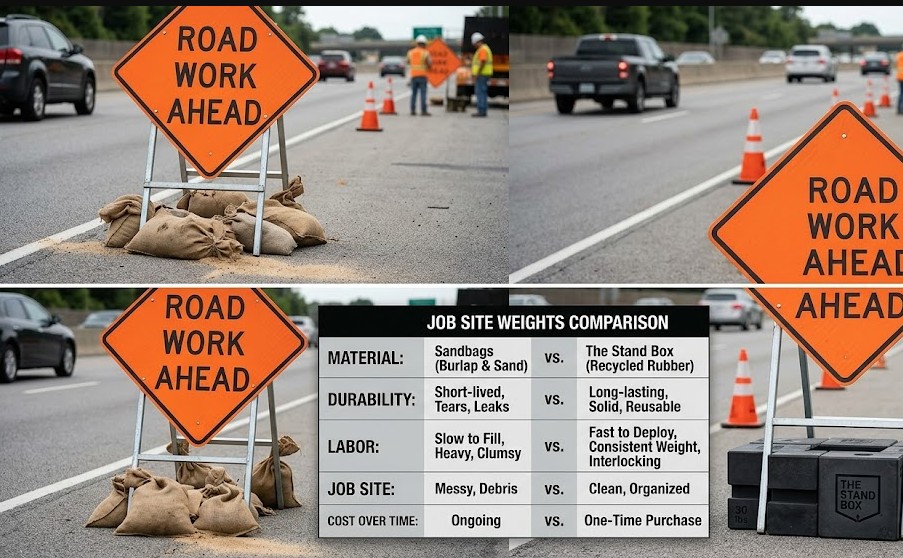
The Stand Box is designed for repeated use and generally offers a more durable long-term solution than conventional sandbags, particularly when weights are frequently moved or exposed to demanding job-site conditions. Sandbags can tear, leak, absorb water, shift, and require replacement, while The Stand Box uses solid molded recycled rubber and requires no refilling.
Longevity still depends on proper use, storage, environmental exposure, and the specific application. No responsible comparison should promise a fixed lifespan without controlled manufacturer testing.
A job-site weight is not simply an inexpensive object placed beside a sign or barricade. It is part of the temporary stabilization system that keeps equipment where it is supposed to be.
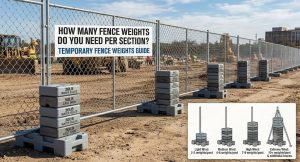
Contractors may use weights to stabilize:
The challenge is that these applications often require weights to be installed, removed, transported, stored, and installed again.
A deteriorating weight can create more than an inconvenience. Contractors may face:
For this reason, durability should be evaluated as part of the entire job-site system rather than as an isolated product characteristic.
The most important factors include material construction, weather exposure, UV radiation, moisture, abrasion, handling frequency, storage conditions, and whether the weight is appropriate for the application.
A weight that remains untouched indoors will experience very different conditions from one that is moved across a construction site every day.
There is no universal expiration date for a sandbag. A high-quality bag used carefully in mild conditions may last longer than a heavily handled bag exposed to sun, rain, mud, and rough surfaces.
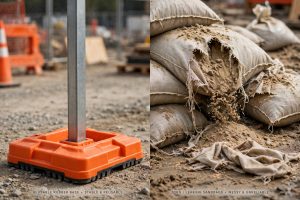
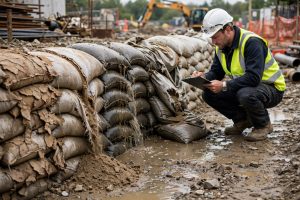
Sandbags generally consist of a fabric or woven container filled with sand or another granular material. The outer bag is therefore critical to the system.
Once the container becomes compromised, the fill can escape and the bag can lose its shape and effectiveness.
Outdoor construction sites expose sandbags to conditions that can accelerate deterioration.
Rain and moisture can make bags heavier, wet, dirty, and more difficult to handle. Sunlight and UV exposure can gradually weaken certain fabrics. Repeated temperature changes can also affect materials over time.
Mud, chemicals, and other job-site contaminants may add another layer of wear depending on the application.
Sandbags are particularly vulnerable to mechanical wear.
Dragging a bag across concrete, asphalt, gravel, or other rough surfaces can create abrasion. Repeated lifting and repositioning can stress seams and handles. Stacking can deform bags, while loading and unloading can expose them to punctures and tears.
Common failure points include:
These problems can turn a low-cost weight into a recurring replacement expense.
The Stand Box takes a different approach. According to the manufacturer, it is a 30-pound solid recycled-rubber weight designed to replace traditional sandbags for road signs and temporary structures. It features a stackable design, dual-channel base, molded handle, and 96% recycled-rubber construction.
The fundamental difference is construction.
A sandbag depends on a flexible outer container to hold loose material. The Stand Box is a solid molded weight designed specifically for repeated use. That means there is no sand to refill and no fabric bag holding loose fill.
The Stand Box is also designed to be stackable and includes a dual-channel base intended to secure beneath signs and frames.
This does not mean every application will produce the same service life. Extreme weather, improper use, excessive impacts, and poor storage can affect any job-site equipment.
The reusable design is particularly relevant to contractors who move equipment from one project to another.
Instead of purchasing or refilling bags repeatedly, a contractor can transport the same reusable weights between applications. The molded handle is intended to make placement and transportation easier, while the solid construction eliminates the need to refill sand after a bag leaks or deteriorates.
As with any construction product, service life depends on proper application and care.
Contractors should consider:
Following manufacturer guidance is essential when determining whether a particular weight is appropriate for a specific installation.
| Factor | Sandbags | The Stand Box |
|---|---|---|
| Reusability | Depends on bag condition | Designed for repeated use |
| Construction | Flexible fabric/container with loose fill | 30-lb solid recycled rubber |
| Tearing | Fabric can tear or puncture | No fabric bag to tear |
| Fill material | Requires sand or another fill | No refilling required |
| Water exposure | Can absorb water | Designed not to float |
| Handling | Can leak or deform | Molded handle for handling |
| Storage | Bags can become wet or damaged | Reusable equipment |
| Stability | Can shift or deform | Stackable design with dual-channel base |
| Long-term use | Replacement may be necessary | Designed as a reusable solution |
| Best fit | Short-term or low-wear applications | Repeated job-site applications |
The Stand Box manufacturer specifically lists its solid construction, stackability, 96% recycled rubber, no-refill design, and ability to remain stable in wet conditions among its product features.
Material selection directly affects durability. A flexible bag can be vulnerable to tearing, puncturing, abrasion, and seam failure. Solid molded construction eliminates many of those particular failure points.
Outdoor weights may encounter:
The appropriate product should be selected according to the conditions it will actually encounter.
A durable job-site weight should also be practical to move. Shape, stability, lifting points, and storage requirements all affect how easily crews can reposition equipment.
The Stand Box product includes a molded handle and stackable design intended to support transportation and storage.
Durability becomes especially important when the same weight is used across multiple projects.
Instead of asking only, “How much does this weight cost?” contractors should also ask, “How many times can I use it, and what does each deployment cost?”
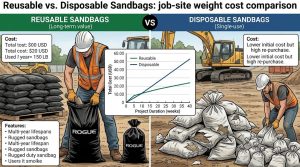
Sandbags can appear inexpensive because the initial purchase price may be relatively low. But the actual cost can include:
A damaged sandbag may need to be replaced before the project is complete. Crews may also spend time moving, refilling, cleaning up, or disposing of damaged bags.
Those costs are easy to overlook when comparing products based only on purchase price.
The Stand Box currently lists a manufacturer price of $44.95 per unit and is designed as a reusable 30-pound weight.
Contractors can evaluate its value by considering:
Cost per use = Purchase cost ÷ number of successful deployments
A contractor using the same weight across many projects may reach a very different cost-per-use figure than someone purchasing it for a single temporary application.
Total cost of ownership matters.
A lower-priced product that requires frequent replacement can ultimately cost more than a higher-value reusable product. Labor, transportation, refilling, cleanup, and downtime should all be considered when making the comparison.
Water is a significant consideration for outdoor weights. Traditional sandbags can absorb water and become heavier and more difficult to handle. The Stand Box is specifically marketed as a weight that will not float and does not require refilling.
UV exposure can gradually degrade certain fabrics and materials. Contractors using temporary weights outdoors for extended periods should account for sunlight and heat when evaluating expected service life.
Frequent movement increases wear on equipment. A weight that can be picked up, transported, and repositioned without spilling loose fill can simplify repeated deployments.
Long-duration projects place greater emphasis on durability, storage, maintenance, and replacement frequency.
This is where reusable job-site weights can become particularly attractive because the contractor is not treating each deployment as a new consumable expense.
Determine whether you are securing:
Separate a one-day application from a multi-month project or equipment that will be reused across dozens of jobs.
Consider rain, UV exposure, wind, temperature changes, mud, and debris.
Ask whether the weight will remain stationary or be moved daily between work zones and projects.
Include the purchase price, fill material, transportation, labor, replacement frequency, and cleanup.
Sandbags may still be practical for certain short-term or low-wear applications. For contractors repeatedly securing temporary equipment, a reusable solution such as The Stand Box may provide stronger long-term value.
Sandbags can make sense when equipment only needs to be secured briefly and the expected wear is low.
If a bag remains stationary in relatively mild conditions, it may experience less mechanical wear.
Existing inventory may make sandbags practical for emergency or temporary needs, particularly when replacement is not expected to be frequent.
Contractors should still account for weather, deterioration, leakage, cleanup, storage, and replacement requirements.
The Stand Box is designed around reuse, making it relevant for contractors who move signs, barricades, temporary fencing, and similar equipment from project to project.
Projects lasting weeks or months can make replacement frequency and durability more important than the initial cost of a temporary weight.
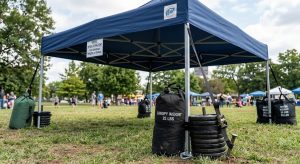
The Stand Box is marketed for construction, traffic control, temporary fencing, events, farming, racing, golfing, and other applications.
For contractors managing multiple crews or projects, standardizing on reusable weights can simplify purchasing, transportation, storage, and deployment.
The purchase price is only one component of total cost.
A product suitable for indoor or short-term use may not perform the same way after months outdoors.
Repeated lifting, dragging, filling, and replacement can add significant labor.
Track how often weights actually need to be replaced instead of assuming the initial purchase price represents the entire expense.
Always verify the weight, dimensions, installation method, and manufacturer’s intended use for the equipment being secured.
Materials, construction, weight, design, and intended applications differ significantly between products.
Look for visible damage, deformation, cracks, or other conditions that could affect performance.
Use the product according to its specifications rather than adapting it to an unsupported application.
Proper handling helps preserve construction equipment and reduces avoidable damage.
Keep reusable weights organized and protected from unnecessary damage when they are not deployed.
Removing accumulated dirt, mud, or job-site debris can make inspection and handling easier.
Do not continue using damaged equipment simply because it is reusable. Inspect and replace anything that no longer performs as intended.
Yes. The Stand Box is specifically designed as a reusable 30-pound solid recycled-rubber weight, eliminating the need for repeated sand refilling.
Not necessarily. Longevity depends on construction, weather exposure, handling, storage, and frequency of reuse. Sandbags can experience fabric deterioration, leakage, and shifting, while a purpose-built reusable weight is designed around repeated use.
There is no universal replacement schedule. Inspect them for tears, worn fabric, leaking fill, water-related deterioration, seam failure, and deformation. Replace bags when their condition compromises their intended function.
They can work in certain applications, but long-term outdoor projects increase the importance of weather resistance, durability, handling, and replacement costs. A reusable job-site weight may be more practical when the same equipment must be secured repeatedly.
The manufacturer lists traffic control as one of the industries it serves and describes the product as a replacement for traditional sandbags used with road signs and temporary structures. Contractors should still verify the specific application and required stabilization before deployment.
They can be, particularly when used repeatedly. The correct comparison should include purchase price, replacement frequency, labor, fill material, transportation, cleanup, and the number of projects over which the weight is used.
Common contributors include UV exposure, moisture, abrasion, tears, seam failure, repeated handling, and loss of fill material.
Consider durability, weather exposure, frequency of use, handling requirements, storage, total cost of ownership, required weight, and whether the product is appropriate for the specific application.
So, Sandbags vs. The Stand Box: Which Lasts Longer on a Job Site?
For contractors who need a weight for repeated deployment, The Stand Box is designed to offer a more durable and reusable alternative to conventional sandbags. Its 30-pound solid recycled-rubber construction, stackable design, molded handle, dual-channel base, and no-refill design address several common limitations associated with fabric sandbags.
That does not mean every sandbag fails quickly or that The Stand Box has a guaranteed lifespan. The right choice depends on the application and conditions. But when the job involves frequent relocation, outdoor exposure, long project durations, or repeated use across multiple jobs, durability should be evaluated alongside the initial price.
The most important factors are frequency of reuse, environmental exposure, handling, replacement frequency, and total cost of ownership.
For contractors who are tired of replacing torn bags, dealing with spilled sand, or repeatedly refilling temporary weights, The Stand Box TX provides a purpose-built reusable option designed around the realities of modern job sites.