
Traffic cones are one of the most recognizable pieces of temporary traffic control equipment used across construction sites, road projects, parking areas, events, and emergency situations. They help guide vehicles, protect workers, create safe pathways, and improve visibility in changing environments.
But when people search “Where Can I Buy Traffic Cones?”, they are usually looking for more than just a place to purchase cones. They are trying to find the right type of traffic cone for their specific application, understand what features matter, and ensure the equipment they buy will perform reliably in real-world conditions.
While purchasing quality traffic cones is an important first step, a complete traffic control setup requires more than just cones. Stability, durability, and proper securing methods play a major role in preventing equipment from shifting, falling, or becoming ineffective during use.
This guide explains where to buy traffic cones, what to consider before purchasing them, and why reliable weight systems are an essential part of maintaining safe temporary traffic control zones.
Where Can I Buy Traffic Cones? (Short Answer)
If you are wondering where can I buy traffic cones, they are available through several types of suppliers, including:
- Traffic safety equipment suppliers
- Industrial supply companies
- Construction equipment dealers
- Home improvement retailers
- Online marketplaces
- Local safety equipment distributors
The best place to buy traffic cones depends on your project requirements. For example, a small parking lot project may only require standard cones from a general retailer, while construction companies, municipalities, and traffic control professionals often need heavy-duty cones designed for repeated outdoor use.
When purchasing traffic cones, consider factors such as cone height, reflective visibility, durability, compliance requirements, and how the cones will be stabilized.
A traffic cone that moves or falls over can reduce visibility, create confusion, and compromise the safety of workers and the public. This is why many professionals consider traffic cone stability and weight systems an essential part of their traffic control setup.
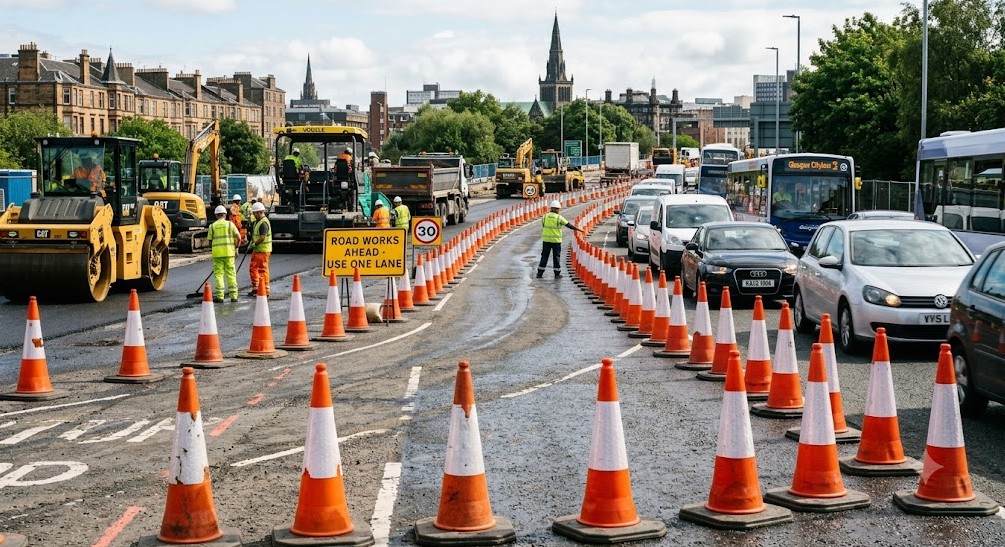
What Are Traffic Cones Used For?
Traffic cones are temporary traffic control devices designed to direct movement, highlight hazards, and create separation between vehicles, pedestrians, and work areas.
They are commonly used in industries where conditions change frequently and safety zones need to be established quickly.
Construction Work Zones
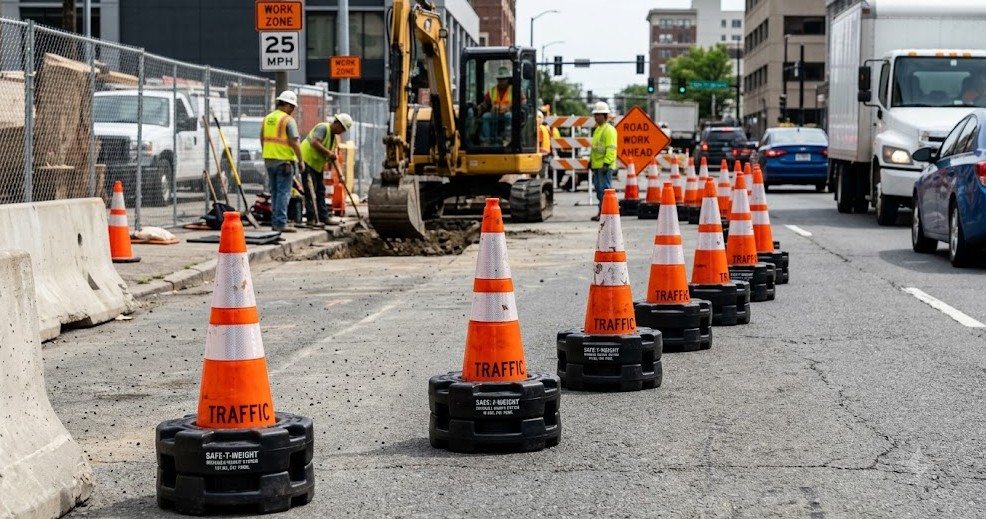
Construction sites rely heavily on traffic cones to separate active work areas from moving vehicles and pedestrians. They are commonly placed around:
- Excavation areas
- Equipment operating zones
- Road construction areas
- Material storage locations
- Temporary lane closures
For contractors, cones must remain visible and stable throughout the project, especially when exposed to wind, heavy equipment movement, and vehicle traffic.
Road Maintenance Projects
Road crews use traffic cones during maintenance operations such as:
- Asphalt repairs
- Line painting
- Bridge maintenance
- Utility repairs
- Lane closures
Because these environments often involve passing vehicles at higher speeds, properly positioned and stabilized traffic control equipment is critical.
Parking Lot Management
Businesses, schools, airports, and commercial properties use traffic cones for:
- Temporary parking restrictions
- Directing vehicle flow
- Reserving spaces
- Managing special events
In these situations, cones need to remain organized and visible while being moved frequently.
Outdoor Events
Concerts, festivals, sporting events, and public gatherings often require temporary traffic control equipment to manage:
- Vehicle entry points
- Pedestrian routes
- Parking areas
- Security zones
- Vendor access areas
Event organizers need solutions that are easy to install, transport, and reuse.
Utility and Municipal Work
Utility companies and municipalities frequently use traffic cones around:
- Water repairs
- Electrical work
- Gas line maintenance
- Street inspections
- Public infrastructure projects
These applications require dependable equipment that can withstand outdoor conditions for extended periods.
Emergency Traffic Control
Emergency responders use traffic cones to quickly establish safe zones around:
- Accidents
- Road hazards
- Emergency repairs
- Incident response areas
Fast deployment and reliable visibility are essential in these situations.
What Should You Consider Before Buying Traffic Cones?
Choosing the right traffic cones requires more than selecting the cheapest option available. Different applications require different sizes, materials, and stability features.
Cone Height
Traffic cones are available in various sizes, commonly ranging from smaller cones for parking areas to larger cones used for highways and construction zones.
The right height depends on:
- Traffic speed
- Visibility requirements
- Work environment
- Regulatory standards
Larger cones generally provide better visibility in high-traffic environments.
Reflective vs Non-Reflective Cones
Reflective traffic cones are designed to improve visibility in low-light conditions.
They are commonly used for:
- Night construction
- Highway projects
- Emergency situations
- Areas with vehicle traffic
Non-reflective cones may be suitable for controlled environments such as private parking areas or indoor facilities.
MUTCD Compliance
Many traffic control applications require equipment that follows guidelines established by the Manual on Uniform Traffic Control Devices (MUTCD).
Compliance considerations may include:
- Cone size
- Reflective requirements
- Placement standards
- Approved usage conditions
Contractors and organizations working on public roads should always verify applicable requirements before purchasing.
Material Durability
Traffic cones are typically manufactured using flexible materials designed to withstand impact.
Important durability factors include:
- UV resistance
- Temperature tolerance
- Flexibility after impact
- Resistance to cracking
High-quality cones last longer and perform better in demanding environments.
Base Weight and Stability
A commonly overlooked factor when buying traffic cones is stability.
Even a high-quality cone can become ineffective if it:
- Falls over in strong wind
- Moves due to passing vehicles
- Shifts on uneven surfaces
- Requires constant repositioning
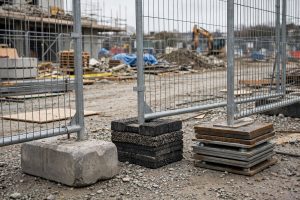
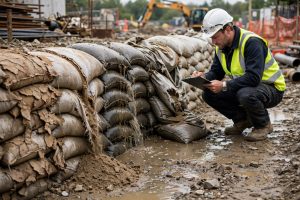
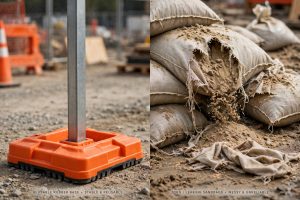
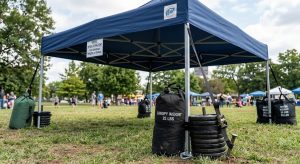
Traditional solutions like sandbags have been widely used, but they can create challenges because they may tear, absorb water, become messy, and require frequent replacement.
Modern reusable weight systems provide a cleaner and more durable approach for stabilizing traffic control equipment.
Weather Resistance
Outdoor traffic control equipment must handle changing conditions, including:
- Rain
- Wind
- Heat
- Cold temperatures
- Dust and debris
The right combination of durable cones and reliable stabilization helps maintain safer work zones regardless of weather conditions.
Why Buying Traffic Cones Alone Isn’t Enough
Many buyers focus only on finding the right cone but overlook the importance of keeping that equipment secure after installation.
A traffic cone is designed to provide visibility and guidance, but it cannot perform its purpose if it constantly moves or falls over.
Why Where Can I Buy Traffic Cones? Isn’t the Only Question You Should Ask
The better question is:
“How will I keep my traffic control equipment stable after I buy it?”
A complete temporary traffic control solution includes:
- Proper cones
- Correct placement
- Reliable stabilization
- Regular inspections
- Equipment designed for the environment
This is especially important for construction companies, road crews, and event professionals who depend on consistent safety measures.
Common Stability Problems on Job Sites
Traffic cones may become unstable because of:
- Strong wind conditions
- Vehicle air pressure from passing traffic
- Uneven ground surfaces
- Heavy equipment movement
- Poor-quality weights
When cones repeatedly move, workers may spend additional time adjusting equipment instead of focusing on the job.
How Wind, Passing Vehicles, and Uneven Ground Affect Traffic Cones
Outdoor environments create unpredictable challenges.
Wind can easily move lightweight equipment, while passing trucks and vehicles can create air pressure that shifts improperly secured cones.
Uneven terrain can also prevent cone bases from sitting flat, reducing stability.
For demanding applications, a dependable weight system can help keep traffic control devices positioned correctly throughout the work period.
The Hidden Costs of Fallen Traffic Control Equipment
When traffic cones or temporary control devices move out of position, the problem is not only inconvenience. Unstable equipment can create additional costs, including:
- Increased labor time for repositioning equipment
- Reduced efficiency on job sites
- Potential safety concerns
- Damaged or lost equipment
- Disruptions to traffic flow
For contractors and organizations managing multiple projects, small equipment issues can become repeated operational problems.
This is why many professionals are moving away from temporary fixes like disposable sandbags and choosing reusable weight solutions designed specifically for traffic control applications.
Building a Safer Temporary Traffic Control Setup
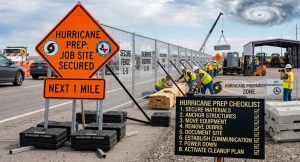
A reliable traffic control setup requires more than purchasing traffic cones. Following a proper process helps ensure equipment remains visible, stable, and effective throughout the project.
Step 1 – Choose the Right Traffic Cone
The first step is selecting cones that match your environment.
Consider:
- Road speed conditions
- Indoor vs outdoor usage
- Daytime or nighttime visibility
- Project duration
- Weather exposure
For example, highway projects typically require larger reflective cones, while smaller private property applications may require basic visibility solutions.
Choosing the wrong cone can result in poor visibility or inadequate traffic separation.
Step 2 – Select the Proper Placement
Correct placement is just as important as choosing the right equipment.
Traffic cones should be positioned based on:
- Work zone requirements
- Traffic flow patterns
- Visibility distance
- Safety regulations
- Pedestrian movement
Poor placement can reduce effectiveness even when high-quality cones are used.
Step 3 – Add Reliable Weight Instead of Traditional Sandbags
Stabilization is one of the most overlooked parts of temporary traffic control.
Many companies have traditionally relied on sandbags, but they often create problems such as:
- Tearing during transportation
- Water absorption during rain
- Messy storage
- Frequent replacement
- Difficulty handling
Reusable traffic control weight systems provide a more durable alternative by offering:
- Long-term reuse
- Easier handling
- Cleaner storage
- Better professional appearance
- Consistent performance
Solutions like those created by The Stand Box are designed to solve the recurring problems caused by unreliable sandbags and help keep traffic control equipment secure.
Step 4 – Secure Additional Traffic Control Devices
Traffic cones are only one part of many temporary work zones.
Other equipment that may require stabilization includes:
- Barricades
- Temporary signs
- Delineators
- Channelizers
- Event control equipment
A complete weight solution allows businesses to improve stability across their entire setup instead of addressing individual items separately.
Step 5 – Inspect Equipment Throughout the Project
Regular inspections help identify problems before they affect safety.
Check for:
- Shifted cones
- Damaged equipment
- Loose weights
- Weather-related movement
- Worn components
Consistent monitoring keeps traffic control systems functioning properly.
Traditional Sandbags vs Reusable Traffic Control Weight Systems
Choosing the right stabilization method can significantly impact efficiency, safety, and long-term costs.
| Feature | Traditional Sandbags | Reusable Weight Systems |
|---|---|---|
| Durability | Can tear, leak, or deteriorate over time | Designed for repeated use |
| Weather Resistance | May absorb water and become damaged | Built for outdoor conditions |
| Maintenance | Requires replacement and cleanup | Minimal maintenance required |
| Reusability | Limited lifespan | Designed for long-term reuse |
| Cleanliness | Can create dust and mess | Cleaner handling and storage |
| Setup Time | Requires filling, moving, and replacing | Faster deployment |
| Long-Term Cost | Repeated replacement expenses | Better value over multiple uses |
| Professional Appearance | Can look worn and inconsistent | Maintains a cleaner appearance |
| Stability | Performance can change over time | Consistent stabilization |
Traffic Cones vs Other Temporary Traffic Control Devices
Traffic control projects often involve multiple types of equipment. Understanding their purpose helps businesses create safer setups.
| Device | Primary Purpose | When It’s Used | Requires Additional Weight? |
|---|---|---|---|
| Traffic Cones | Guide traffic and mark boundaries | Construction, roads, events | Often beneficial |
| Barricades | Block access and create separation | Work zones and closures | Frequently required |
| Delineators | Channel traffic movement | Roads and highways | Often recommended |
| Temporary Signs | Communicate warnings and instructions | Construction and events | Usually required |
| Channelizers | Create continuous separation areas | Larger traffic zones | Depends on conditions |
Which Traffic Control Equipment Benefits Most from Additional Weight?
Reliable stabilization is useful across many temporary traffic control applications.
Traffic Cones
Traffic cones benefit from additional weight when used in:
- Windy environments
- High-speed traffic areas
- Long-duration projects
- Outdoor events
Stable cones maintain proper spacing and visibility.
Barricades
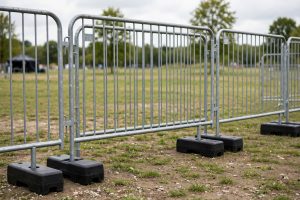
Barricades often require stronger stabilization because they have larger surface areas that can catch wind.
Proper weighting helps prevent:
- Shifting
- Tipping
- Unexpected movement
Temporary Traffic Signs
Temporary signs must remain visible and correctly positioned.
A stable base helps ensure important warnings and instructions remain facing the intended direction.
Delineator Posts
Delineators are commonly used to guide vehicles through changing traffic patterns.
Additional weight can improve reliability in outdoor environments.
Event Equipment
Events often require temporary setups that need to be installed quickly and removed efficiently.
Reusable weights provide a practical solution for repeated event use.
Common Mistakes People Make After Buying Traffic Cones
Choosing the Wrong Cone Size
Using cones that are too small for the environment can reduce visibility and effectiveness.
Always match cone size to traffic conditions and project requirements.
Ignoring Wind Conditions
Many buyers underestimate how quickly wind can move lightweight equipment.
Outdoor projects should consider weather exposure before selecting stabilization methods.
Depending on Torn or Shifting Sandbags
Damaged sandbags can create inconsistent results and increase maintenance requirements.
A reusable weight system eliminates many common issues associated with disposable solutions.
Forgetting Other Traffic Control Equipment Needs Stabilization
Companies often secure cones but ignore:
- Barricades
- Signs
- Delineators
A complete approach improves overall site safety.
Not Performing Regular Equipment Checks
Even the best equipment requires monitoring. Regular inspections help maintain proper placement and performance.
Industries That Benefit from Stable Traffic Control Equipment
Highway Construction
Road contractors depend on stable equipment to maintain safe work zones around moving vehicles.
Utility Contractors
Utility teams need reliable temporary setups during repairs and infrastructure projects.
Municipal Public Works
Cities and municipalities use traffic control equipment for maintenance, repairs, and public projects.
Traffic Control Companies
Professional traffic management companies require equipment that can be reused across multiple jobs.
Event Management
Large outdoor events need temporary traffic solutions that are easy to install, transport, and maintain.
Commercial Facilities
Businesses use traffic control equipment for parking management, facility maintenance, and safety improvements.
Frequently Asked Questions
Where can I buy traffic cones near me?
Traffic cones can be purchased from traffic safety suppliers, industrial equipment companies, construction retailers, and online marketplaces. The best option depends on your required cone type, quantity, and intended application.
What size traffic cone should I buy?
The correct traffic cone size depends on where it will be used. Smaller cones may work for private areas, while larger reflective cones are typically preferred for construction zones, highways, and areas with moving traffic.
Are reflective traffic cones worth the extra cost?
Yes. Reflective traffic cones improve visibility during nighttime operations, poor weather, and low-light conditions, making them valuable for many outdoor applications.
Do traffic cones need additional weight?
Traffic cones may require additional weight when used in windy areas, active construction zones, or locations where movement could create safety concerns. Proper stabilization helps keep cones positioned correctly.
What is better than using sandbags to stabilize traffic cones?
Reusable traffic control weight systems are often a cleaner and more durable alternative to traditional sandbags. They are designed for repeated use and avoid many issues associated with tearing, water absorption, and replacement.
Can the same weight system secure cones, barricades, and signs?
Many reusable weight systems are designed for multiple temporary traffic control applications, including cones, barricades, signs, and other equipment.
How long do reusable traffic control weights last?
The lifespan depends on material quality, usage conditions, and maintenance. High-quality reusable systems are designed for repeated deployment across multiple projects.
What industries use reusable traffic control weight systems?
Construction companies, traffic control providers, municipalities, utility contractors, event organizers, and commercial facilities commonly use reusable weight solutions.
Conclusion
Finding the answer to “Where Can I Buy Traffic Cones?” is only the beginning of creating an effective temporary traffic control setup.
Quality traffic cones provide visibility and direction, but long-term performance depends on keeping those cones and other devices stable in real-world conditions. Wind, vehicle movement, weather exposure, and repeated use can quickly reveal the weaknesses of traditional stabilization methods.
For businesses that rely on dependable traffic control equipment, reusable weight systems provide a cleaner, more durable, and more efficient alternative to disposable sandbags. By securing traffic cones, barricades, signs, and other temporary equipment, organizations can improve safety, reduce maintenance issues, and create more professional work zones.
A successful traffic control setup is not just about buying the right equipment, it is about ensuring that equipment stays exactly where it needs to be when it matters most.